Living in Fairfax VA With a DC Commute: What to Know
June 4, 2026
June 4, 2026
If you work in DC but want more breathing room at home, Fairfax often lands on the shortlist for a reason. You get a suburban setting, multiple commute options, and a daily routine that does not have to revolve around going into the city for every errand or outing. If you are trying to picture what real life actually feels like here, this guide will help you understand the tradeoffs and the perks. Let’s dive in.
Fairfax is not a live-next-to-the-office kind of place. The City of Fairfax describes itself as a six-square-mile independent city in the heart of Northern Virginia, with a mix of residential, office, retail, and commercial uses.
That matters because your day-to-day life here usually feels more suburban than urban. You are more likely to think in terms of neighborhoods, yards, shopping centers, parks, and commute routes than a purely walk-to-work lifestyle.
The city also has a distinct identity within the larger metro area. Its profile highlights leafy street medians, a small-town feel, and a strong quality-of-life focus, which helps explain why many buyers see Fairfax as a practical home base for life tied to the DC job market.
One of the biggest advantages of living in Fairfax is flexibility. There is no single commute pattern that works for everyone, which can actually be a plus if your work location, schedule, or budget changes over time.
For many residents, the right route depends on where you need to go. Downtown DC, Arlington, the Pentagon area, Tysons, and other Northern Virginia job centers can all call for different strategies.
The Vienna/Fairfax-GMU station is the final Orange Line stop in Virginia. WMATA describes it as an intermodal connection to I-66, which makes it useful if you want a rail option into Arlington and downtown DC while still living in a more suburban setting.
That setup can be especially appealing if you do not want to live directly next to a Metro station. Park-and-ride access gives you another way to balance home space with rail access.
The fare-free CUE Bus serves the City of Fairfax and connects riders to George Mason University, the Vienna/Fairfax-GMU station, Old Town, neighborhoods, parks, schools, and other local destinations. For some households, that can make it easier to get to Metro or move around town without relying on a car for every trip.
Fairfax Connector adds more choices. Route 306 runs between George Mason University and the Pentagon Metro Station along Braddock Road and I-395, and the route system also includes express service to the Pentagon and downtown Washington, DC on routes 697, 698, and 699.
If you are west of Vienna or want another option beyond highway driving, VRE is worth knowing about. Burke Centre Station on the Manassas Line offers free surface and garage parking, plus local transit connections.
VRE service includes major stations such as Union Station, L’Enfant, and Crystal City. Fairfax County commuter guidance specifically points I-66 drivers west of Vienna toward Burke Centre as an alternative to driving the whole way.
A Fairfax commute is not just about how long it takes. Fairfax County commuter services notes that you also need to think about tolls, transit fares, gas, parking, and other indirect costs.
That is an important mindset if you are comparing Fairfax with other Northern Virginia suburbs. A home that looks convenient on a map may come with a more expensive or less flexible commute than you expected.
Living in Fairfax does not only work for people commuting into downtown DC. It also appeals to buyers who need access to major job centers closer to home.
Fairfax Connector service patterns tie into destinations like the Pentagon, Tysons, and Vienna. Fairfax County describes Tysons as a destination served by four Silver Line Metro stations and a growing urban center where people live, work, and play.
That can make Fairfax feel more versatile than a suburb with only one obvious commute path. If your work situation changes, you may still have workable access to major employment hubs without needing to move again.
A big part of Fairfax’s appeal is that life here does not feel like commute, dinner, sleep, repeat. The city has enough amenities, events, and public spaces to give your routine some variety close to home.
The City of Fairfax maintains more than 276 acres of parkland and 28 miles of trails. Its park system includes playgrounds, athletic fields, open spaces, and other public-use areas, which gives you easy ways to spend time outdoors during the week or on weekends.
Historic Old Town Fairfax helps anchor the community. Old Town Square hosts city events and concerts, and the city calendar includes recurring programming such as Rock the Block, Movies Under the Moon, the Fall Festival, and holiday events.
That kind of programming can make Fairfax feel more connected than a place where everyone simply drives home and stays in. Even if your work takes you into DC, your home life still has a clear local rhythm.
Fairfax also works well for practical day-to-day living. Mosaic District offers shopping and dining along with a playground, splash pad, weekly farmers market, and movie theater.
Fair Oaks Mall is one of the region’s larger shopping destinations, with more than 160 stores, services, and dining options. For many households, that means you can handle regular errands, casual outings, and rainy-day plans without heading into DC.
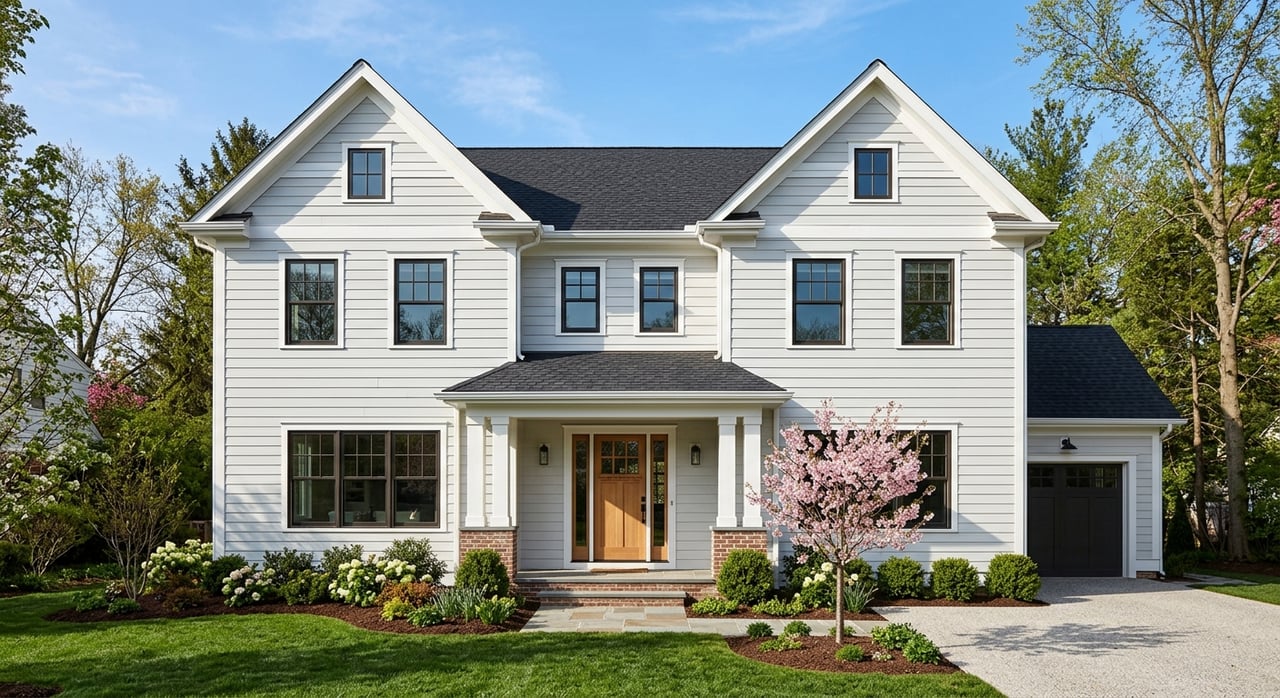
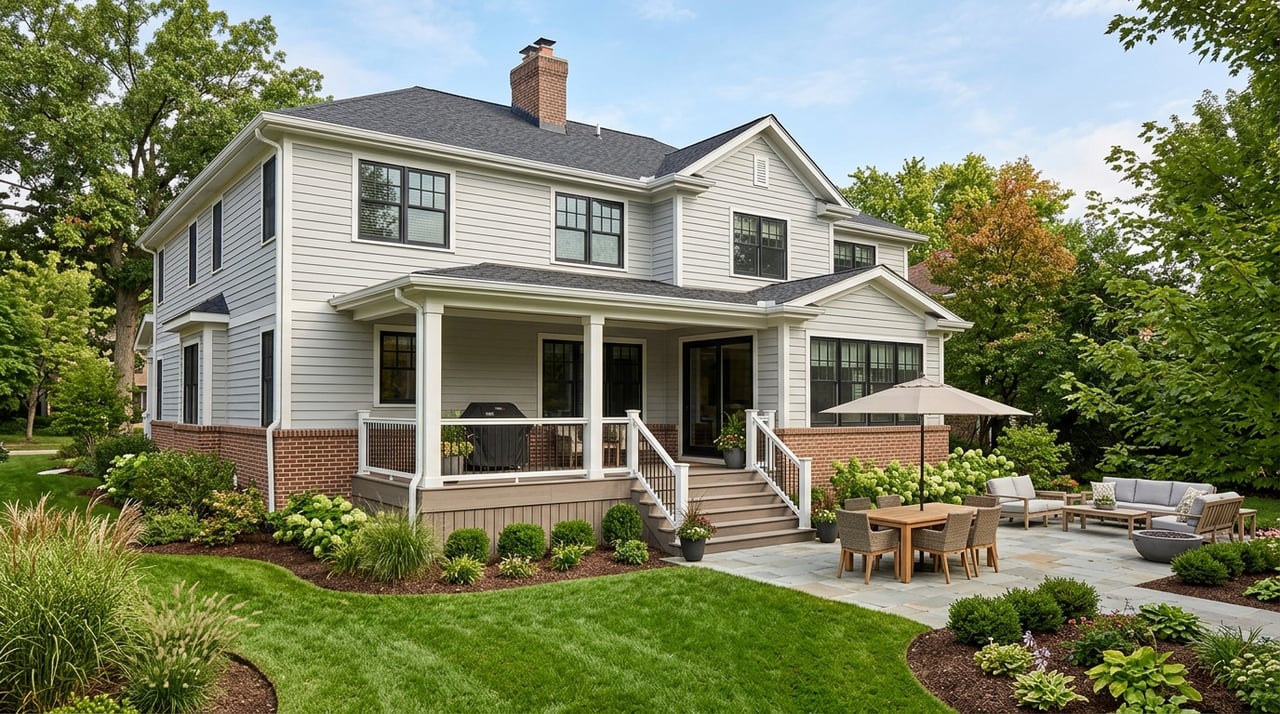
If your goal is more room at home, Fairfax supports that lifestyle. In the City of Fairfax, 64% of housing units are single-family housing, including 4,922 detached homes and 1,300 townhouses.
At the county level, the broader pattern is similar. Fairfax County reports that single-family homes make up 70% of the housing stock, 47% of housing units are detached single-family homes, and 69% of housing units have three or more bedrooms.
That housing mix helps explain why Fairfax often appeals to move-up buyers and relocating households. You are more likely to find the kind of layout that supports a home office, extra bedrooms, storage, or yard space while still keeping a reasonable connection to the region’s job centers.
So what is it actually like to live in Fairfax with a DC commute? For many people, it feels like a trade: you give up the immediacy of city living in exchange for more space, more routine, and more flexibility.
You may not walk to work, and your commute probably takes planning. But you also gain a home base with a suburban feel, multiple transportation options, parks and trails, a community calendar, and shopping and dining close by.
For buyers who want a practical Northern Virginia lifestyle, that balance is often the point. Fairfax tends to work best when you want room to live your daily life locally while keeping access to DC and other regional job centers.
If you are weighing Fairfax against other Northern Virginia suburbs, the real question is not just how fast you can get to work. It is whether the full picture of your day, from mornings and school-year routines to errands, weekends, and space at home, feels easier here.
If you are planning a move and want help comparing Fairfax with other commuter-friendly suburbs, Dimple Laudner offers hands-on guidance for relocations and move-up buyers across Northern Virginia.
Stay up to date on the latest real estate trends.
A Loudoun County Listing Agent’s Strategic Approach
Whether you're buying or selling, Dimple Laudner is dedicated to making your real estate journey seamless and stress-free. With personalized service, unwavering integrity, and a passion for excellence, she will help you achieve your goals and find your perfect home. Get started with Dimple Laudner today!