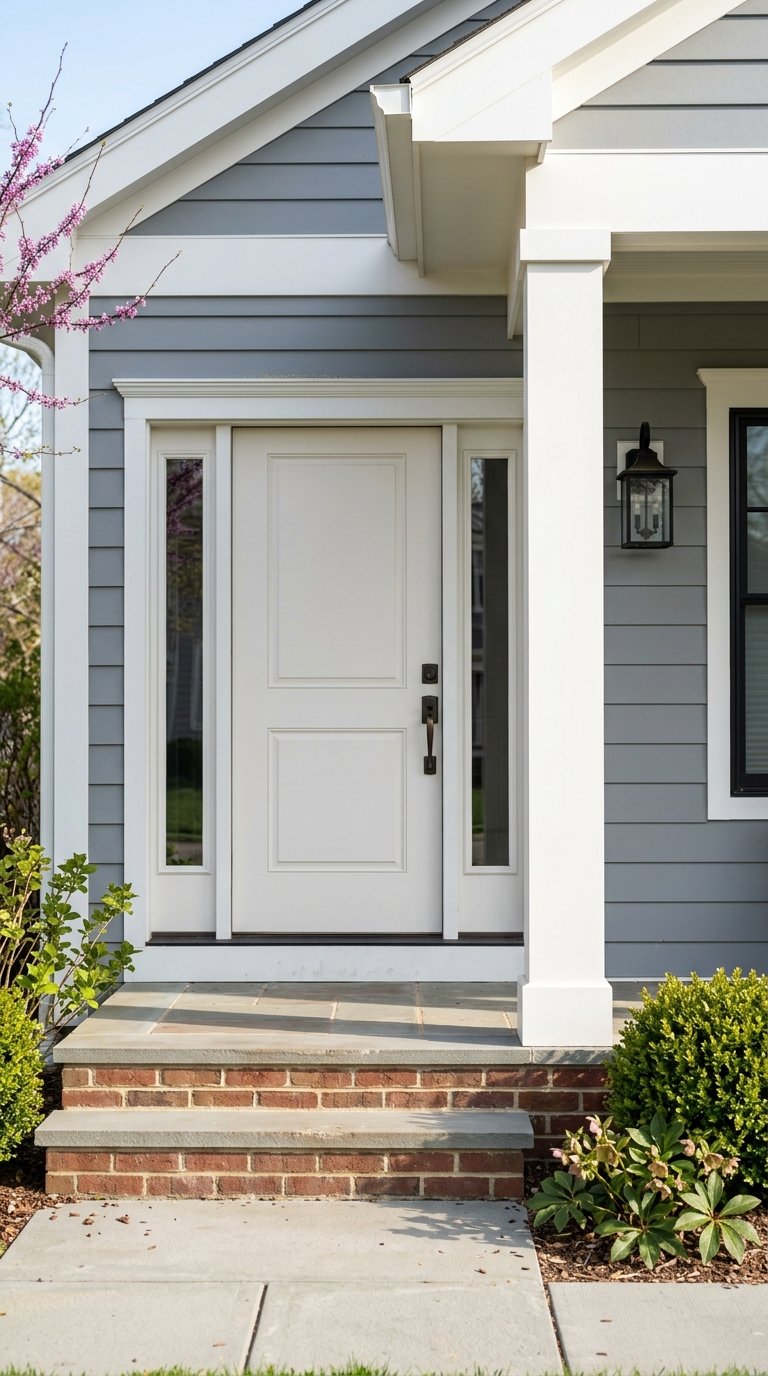
Should You Sell Or Rent Out Your Fairfax Single-Family Home?
June 11, 2026
June 11, 2026
If you own a single-family home in Fairfax, you may be asking a very practical question: should you cash out now or keep the home as a rental? It is a big decision, especially when you are balancing equity, timing, monthly costs, and your next move. The good news is that Fairfax market data gives you a strong starting point for thinking it through. Let’s dive in.
If you are deciding whether to sell or rent, start with the local market, not a national headline. In Fairfax County, detached homes averaged $1,194,616 in February 2026, up 7.1% from February 2025. Homes also moved in about 28 average days on market, with just 1.5 months of supply.
That tells you something important. Buyers are still active, and well-positioned single-family homes are not sitting for long. NVAR’s 2026 forecast also points to a market that may become a bit more balanced, with more inventory and moderate price growth, not a dramatic jump in seller leverage.
For many homeowners, that supports a simple takeaway. If your main goal is certainty, speed, and a clean transition, selling in today’s Fairfax market may be the more straightforward path.
Selling can be appealing when you want to simplify your next chapter. If you are relocating, buying another home, or just ready to unlock equity, the current Fairfax market gives many single-family sellers a solid position.
Fairfax County’s 2026 assessment notice put the mean assessed value of single-family homes at $1,012,504, up 4.28%. That means many owners are sitting on meaningful equity. In real life, that often makes the decision less about whether your home has gained value and more about what you want your money and time to do next.
When you sell, you turn equity into funds you can actually use. That may help with your next purchase, relocation costs, debt reduction, or simply creating more flexibility.
You also avoid the ongoing responsibilities that come with keeping the property. No tenant turnover, no repair calls, no compliance questions, and no uncertainty about whether the rent will truly cover your costs.
If you expect to move on within the next few months, selling usually offers a cleaner exit. Fairfax detached homes have still been moving in roughly a month, and the 2026 forecast suggests moderate growth rather than a likely windfall from waiting.
That does not mean renting is wrong. It just means waiting may not produce enough extra upside to justify the added complexity for every homeowner.
Renting out your Fairfax single-family home can make sense if your move is temporary or if you want to keep the option to return later. It can also appeal to homeowners who want to hold a long-term asset in a market with steady housing demand.
Fairfax County’s housing-needs analysis shows strong rental demand. The county reports an average market-rate rent of $2,500 per month and a shortage of rental homes affordable to households at or below 60% of area median income.
That is a useful signal, but it is not the same thing as guaranteed profit. Demand can be strong while the math on your specific home still falls short.
If you are not ready to fully let go of the property, renting can give you time. That can be valuable if your job situation is changing, your family may return to the area, or you simply want to keep a long-term foothold in Fairfax.
This path tends to work best when you have financial reserves, realistic expectations, and a plan for managing the home. Flexibility is valuable, but it comes with a price in time, risk, and responsibility.
Before you decide to rent, test the property as a business. Many homeowners assume rent will easily cover the carrying costs, but Fairfax data suggests you should be careful.
Using the county’s mean single-family assessment of $1,012,504 and the county real estate tax rate of $1.12 per $100 of assessed value, annual property tax comes to roughly $11,340. Against $2,500 a month in gross rent, property tax alone would eat up about 37.8% of annual rent before insurance, maintenance, vacancy, or management.
That is the kind of reality check that changes the conversation. A home can have strong appreciation potential and still be a weak rental from a monthly cash-flow standpoint.
If you are considering renting, run the numbers carefully:
If the property only works on paper when everything goes perfectly, that is a warning sign.
One of the biggest mistakes homeowners make is assuming all rental rules are the same across the area. They are not. Fairfax County and the City of Fairfax have different requirements, and that distinction matters.
In Fairfax County, short-term lodging of under 30 days requires a zoning permit and monthly transient-occupancy tax filings. The county also says BPOL is required if gross receipts exceed $10,000, and the BPOL rate schedule includes renting by owner.
In the City of Fairfax, every rental needs a city business license and a rental certificate of compliance. Long-term rentals are allowed, but short-term rentals are not permitted.
This is one place where details matter. A mailing address, school pattern, or neighborhood name does not automatically tell you which local rules apply. Before you rent, verify whether your property is in Fairfax County or the City of Fairfax and confirm the current requirements that apply to your address.
If you are thinking about short-term rental income, be especially careful. The rules are more restrictive, and assumptions can get expensive.
Once your home becomes a rental, you take on legal responsibilities under Virginia law. Landlords must maintain fit premises and follow notice rules for entry and routine maintenance.
That may sound manageable, and often it is, but it is still a shift. You are no longer just a homeowner. You are operating a rental property that must be maintained and managed correctly.
For some owners, that is fine. For others, especially those juggling a relocation or a new home purchase, it is more stress than they want to carry.
Taxes are another major part of the sell-versus-rent decision. If the home is your main residence, you may qualify for the federal home-sale exclusion, generally up to $250,000 of gain for a single filer or $500,000 for a joint return if the ownership and use tests are met.
But renting the property can change the picture later. If part of the home was used for rental or business purposes, the excluded amount may be reduced, and depreciation allowed or allowable on the rental portion must be recaptured.
Often, yes, but it is not always as simple as homeowners expect. You may still qualify for the home-sale exclusion later if you meet the ownership and use tests, but depreciation related to rental use can remain taxable.
That is why this decision should not be based on market headlines alone. If taxes are a big factor in your planning, confirm the details with a CPA or tax attorney before you act.
If you feel stuck, come back to your main priority. Most homeowners are not really deciding between two equal paths. They are deciding which tradeoff fits their life better.
Selling may be the better fit if:
In today’s Fairfax market, this can be a very reasonable choice. Detached homes are still moving, and the data does not suggest you need to wait for a dramatic shift to get attention from buyers.
Renting may be worth considering if:
This path can work well for some owners, but only when the numbers and your lifestyle both support it.
For many Fairfax single-family homeowners, the choice comes down to this: sell for simplicity and certainty, or rent for flexibility and a longer time horizon. The local market is still supportive of sellers, with detached homes moving relatively quickly and values remaining high. At the same time, rental demand is real, but carrying costs and compliance can make holding the property more complicated than it first appears.
If you want a calm, informed decision, look at your timeline, your monthly numbers, your tolerance for landlord duties, and your long-term plans for the home. Once those pieces are clear, the right path usually becomes much easier to see.
If you want help thinking through your Fairfax single-family home options, pricing position, and likely next steps, Dimple Laudner can help you weigh the numbers and build a plan that fits your goals.
Stay up to date on the latest real estate trends.


A Loudoun County Listing Agent’s Strategic Approach

Whether you're buying or selling, Dimple Laudner is dedicated to making your real estate journey seamless and stress-free. With personalized service, unwavering integrity, and a passion for excellence, she will help you achieve your goals and find your perfect home. Get started with Dimple Laudner today!